


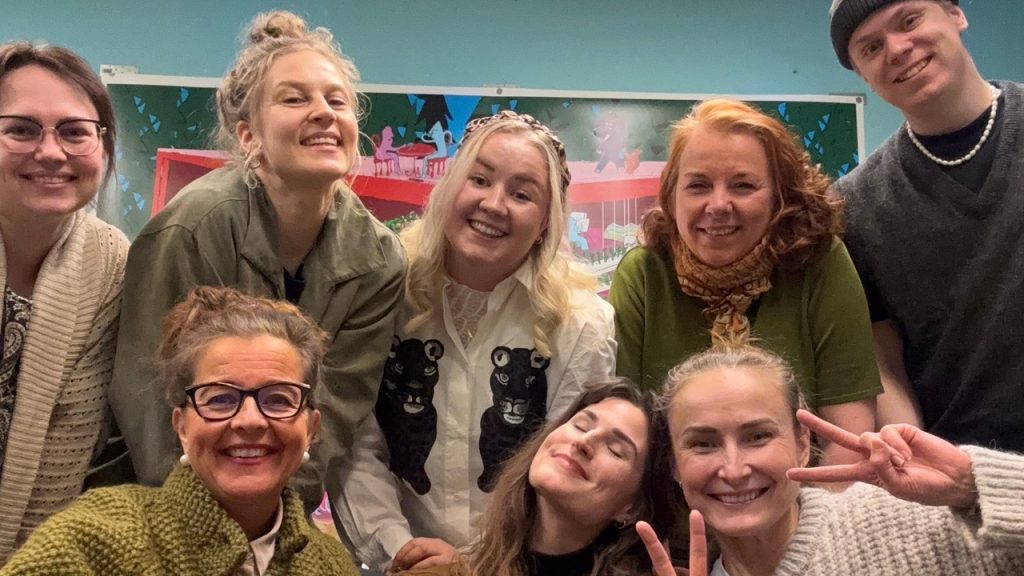
Guest pen: Sari Puutio, Work Counsellor, Work Community Coach and Capability Coach
When I moved to Tampere more than six years ago, integration required means. After all, I was middle-aged and changing scenery, albeit in the most attractive city in Finland. Tampere was not completely alien to me. I had made crusades from Ostrobothnia to Tampere to meet my student roommate halfway here. As teachers, we toured women's clothing stores to find personalised clothes. We were well served by the jewellery shops, and at the same time we got to know the Pirkanmaa character. There was something uncomplicated and warm-hearted about it that attracted us.
Pohjalainen's longing for the company of people continued in her new environment. People have stories and perspectives that enrich everyday life. My hosts in Tampere were found in a surprising place: in a stone store.
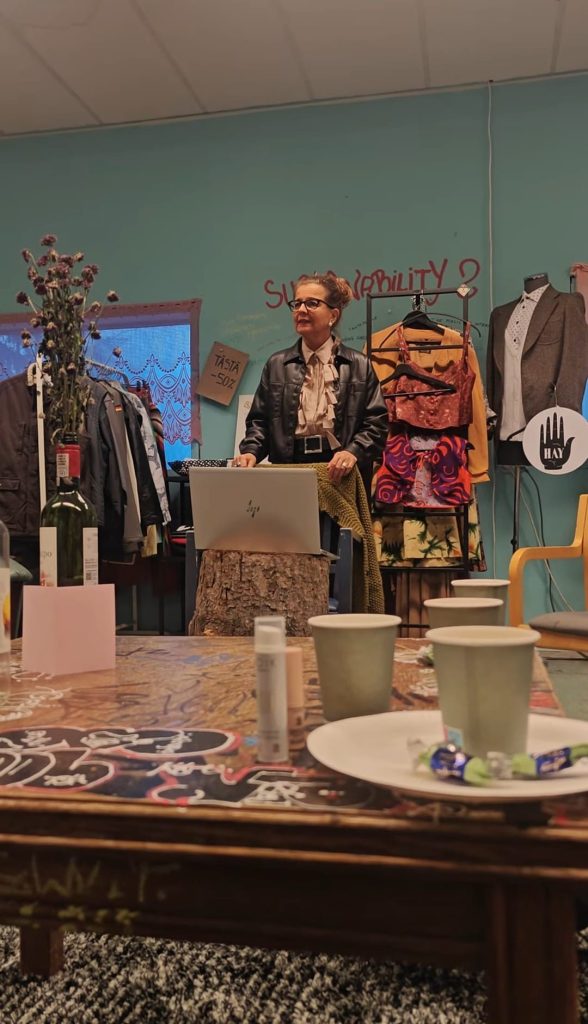
Nowadays, many brick-and-mortar stores are 2ndHand boutiques, where encounters are often warm and genuine. With Leena from Vintage Garden, we shared ideas about teaching and I experienced a customer appreciative encounter. That, if anything, makes for a standard case. This autumn, we chatted about modern working life, which led to a talk on job coaching at the 2ndHandTampere autumn meeting. Small conversations can open new doors. Stoneworks are not just shops, but communities where meaningful encounters happen.
The first afternoon of November was rainy and chilly. I decided to wear a green cardigan that I had found at the 2ndHand event at Tavara. The association's meeting rooms were drafty, but I felt warm under the cardigan - surrounded by artists' work and the bright laughter of the meeting attendees echoing in my ears. This is association work at its best; an inspiring use of time for a common goal. This is how Tampere is concretely becoming a sustainable city.
The tour revealed a fascinating variety: people from Lahti, Lope, Orimattila, Karstula, Tampere, Ylöjärvi and Kokkola had gathered in a small place. Among them were also Tavara Station's event makers, the enablers of my green cardigan. They had a wide range of motivations for their activities - the limited recreational opportunities in their home town, inherited entrepreneurship, ecological values, lucky coincidences and, above all, the freedom to realise themselves in a bigger city.
The members of the association are of different ages and in different positions, but they are united by a passion for resource efficiency. It's a force that makes this community more than a bunch of people - it makes it a movement.
One participant's daughter had said her mother was saving the world with her own powerful contribution. Could there be a more beautiful tribute from the younger generation? Among them, the circular economy is a genuine value, but the older generation still needs to be justified. Many people still have the idea that recycling is a racket. I remember the rag collections of my childhood - but only now do I realise how deep the attitudes of the past can run. It is time to open our eyes and see that the circular economy is not a nostalgic memory, but a necessary future.
Choosing a values-based career is not the easiest path - for the worker or his or her family. There are occupations where a living would be easier, but they are not necessarily sustainable. Living in a circular economy requires hard work and strong cooperation. Entrepreneurs identify work that serves another entrepreneur or cause, but not always their own coffers or resources. Sometimes even over-serving the customer for the common good.
Digitalisation and the limitless world of social media tempt us to work all the time - our hands are on our phones even when we need a rest. Circular economy workers carry the same burdens as other working-age people, but values keep them going. It's a socially responsible choice that requires courage - and also personal resilience.
I have learned to think of a product as having three prices; the purchase price, the selling price and the actual price in between. On this visit, I learned that altruistic value-based business also has a price; a collective price for the future and a personal price for each circular economy entrepreneur for his or her career choice. Values are not free, but they are what make the price meaningful.
The warm atmosphere of the event stripped me of my green cardigan. As I put it on, I remember that November moment. The fading afternoon of All Saints' Day was a small price to pay for the resilience and authenticity I experienced as my understanding of the life-cycle economy and its drivers deepened.