


Resale of products is the only truly scalable model in the sustainability field. While the rest of the sustainability agenda is stagnating, resale is accelerating.
Resale is not mainstream because recycled is cheaper. Nor, unfortunately, is it because all people care about sustainability. Resale has become mainstream because it has become socially optimised, culturally rewarding and morally right.
The role of the consumer in the circular economy is important, as the responsible consumption choices we make also guide companies towards more responsible business practices.
For decades, there has been a persistent stigma attached to second-hand consumer goods and flea markets. Today, the sales figures on the platforms already prove the opposite, and the trend is strongly upwards. If we want to truly prioritise sustainability, we need to use second hand as an example of how to make sustainability part of the zeitgeist.
It means putting consumer behaviour at the centre of the debate.
Second hand has grown because of both systemic and behavioural change: second hand has become fun, cool, rewarding and easy to share. Platforms such as Vestiaire Collective and eBay have also framed second hand as a tool to build an identity.
Generation Z, which values diversity, individuality, equality and social justice, has normalised the used. For them, second hand is not a shameful flea market stunt, but a cultural identity game where unique finds represent status symbols and mass-produced items are boring. Stylish vintage is a premium identity that represents genuinely good quality that is difficult to replicate.
Zetas are open to diversity and draw on personality, responsibility and style. Their approach to brands is critical and experimental. They value story, authenticity and provenance, not just price.
For Zeta, second hand is the first option. Their consumption is more about self-expression than ownership. They don't embarrass, defend or hide their choices. For them, responsibility is not a project. It is about making caring visible, a series of continuous small right choices.
The inspiration for this article was BOF's The state of Fashion 2026 report.

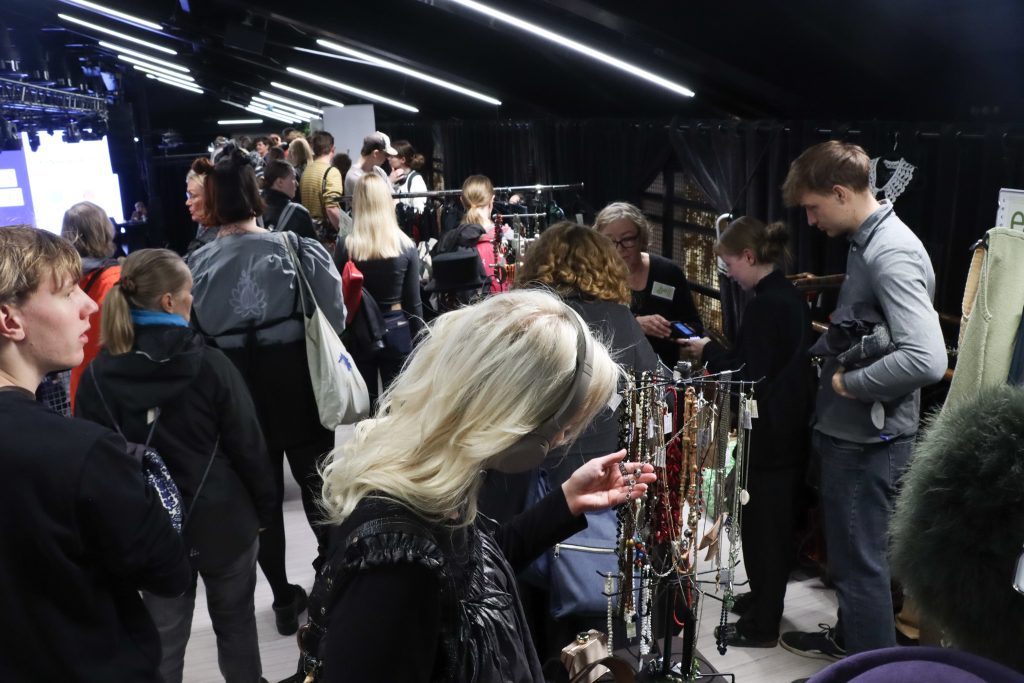
Photos from the Tavara-asema Second Hand event 20.9.2025 From, Luca Salmensuo.